

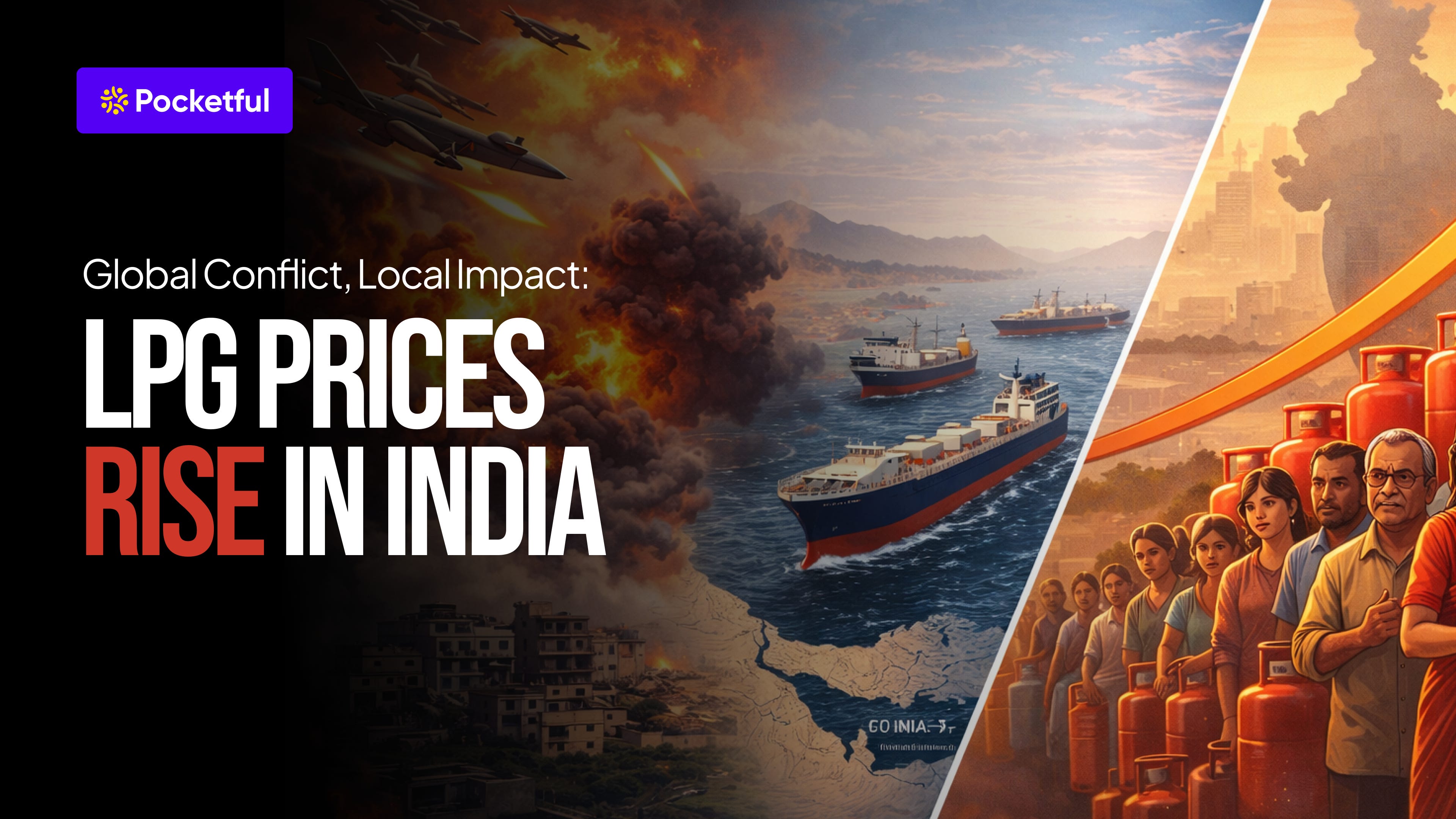
The escalating conflict in West Asia has once again highlighted how geopolitical tensions can quickly influence everyday life in countries far removed from the battlefield. The ongoing confrontation involving Iran, Israel, and their allies has disrupted global energy markets and shaken supply chains across the world. For India, a country heavily dependent on energy imports, the ripple effects are being felt directly in household kitchens through rising Liquefied Petroleum Gas (LPG) prices and supply concerns.
India relies on LPG as a primary cooking fuel for millions of households. Over the past decade, government initiatives such as the expansion of clean cooking fuel access have dramatically increased LPG adoption. However, the recent turmoil in global energy markets has exposed the vulnerability of India’s energy security. As shipping routes become uncertain and global prices surge, the consequences are becoming visible in the form of higher cylinder prices, supply disruptions, and policy responses aimed at stabilizing the situation.
This article explores how a global conflict has translated into local economic pressures, examining the factors driving LPG price increases, the supply challenges India faces, and the broader implications for consumers, industries, and policymakers.
The Geopolitical Trigger: Iran–Israel Conflict and Energy Disruptions
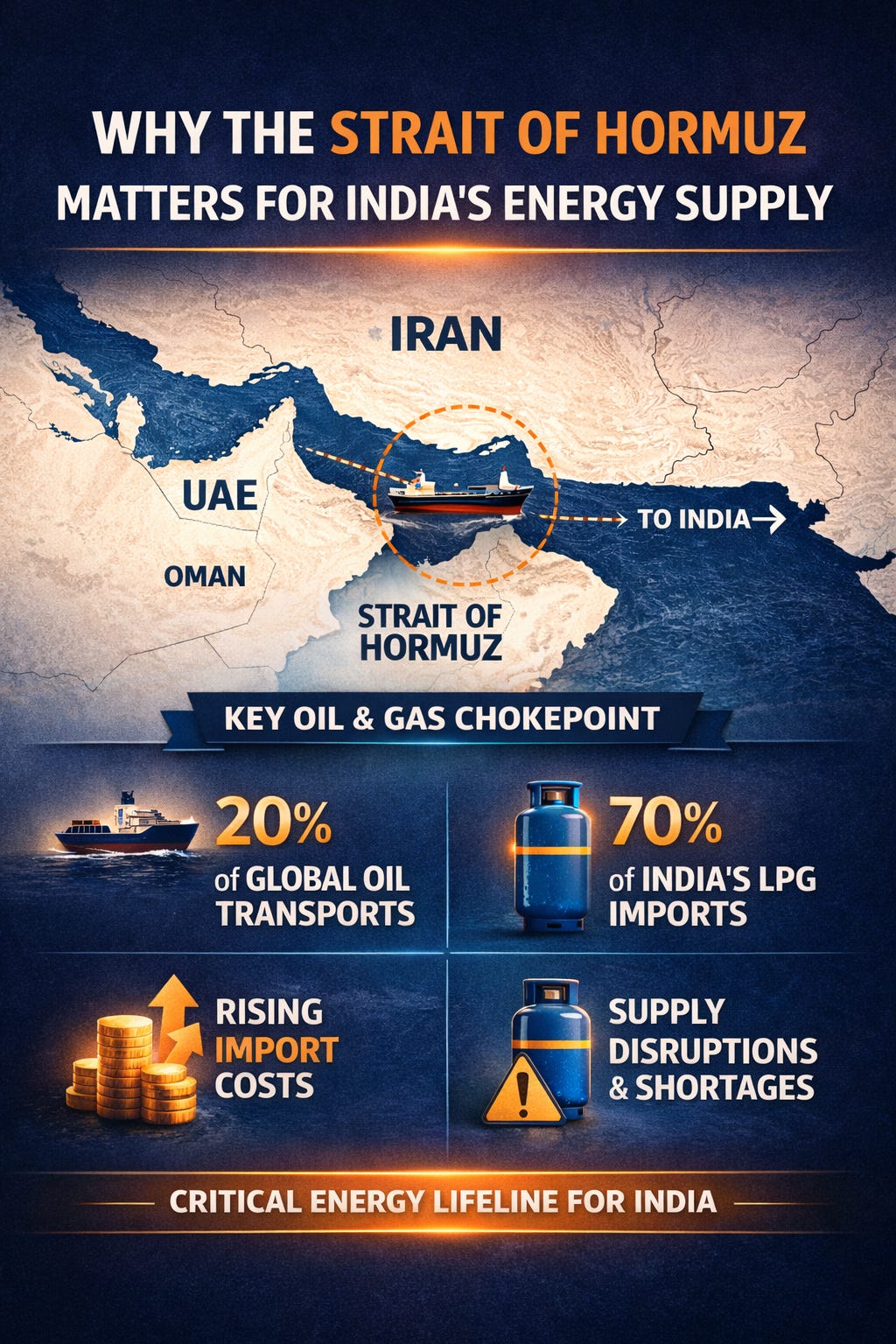
The immediate trigger behind the LPG price surge is the ongoing geopolitical conflict involving Iran, Israel, and allied powers. Military strikes and retaliatory actions have escalated tensions in the region, causing severe disruptions to global energy supply chains. The conflict has significantly affected the Strait of Hormuz, one of the most critical maritime chokepoints for global oil and gas trade.
The Strait of Hormuz normally handles around 20% of the world’s oil supply, making it a vital artery for energy shipments to Asian economies, including India. However, missile attacks, threats to shipping vessels, and heightened military activity have caused tanker traffic to drop dramatically. Shipping companies have either suspended operations or rerouted vessels to avoid the region, significantly slowing the flow of energy supplies.
This disruption has led to sharp increases in global energy prices. Brent crude oil prices surged past $100 per barrel during the early days of the conflict, reflecting fears of a prolonged supply shortage. Gas and LNG markets have also experienced significant volatility, with Asian spot prices rising sharply due to reduced exports from the Gulf region.
For countries like India that rely heavily on imported fuel, such developments immediately translate into higher import costs and supply uncertainties. As LPG is derived from crude oil refining and natural gas processing, the rise in global energy prices has a direct impact on LPG availability and pricing.
India’s Dependence on Imported LPG
India’s LPG demand has grown rapidly over the last decade, primarily due to increased access to clean cooking fuels. Government initiatives aimed at replacing traditional biomass fuels with LPG have significantly expanded the user base, bringing millions of households into the LPG distribution network.
However, India’s domestic production is not sufficient to meet the country’s growing demand. The country produces only a fraction of the LPG it consumes, making imports essential to maintain supply. In fact, a significant portion of India’s LPG consumption is imported from international markets, particularly from the Middle East.
This dependence makes India highly sensitive to global energy disruptions. When conflicts occur in major energy-producing regions such as West Asia, the impact is quickly felt in India through price volatility and supply concerns.
For instance, India consumed roughly 31 million tonnes of LPG in recent years but produced only around 12–13 million tonnes domestically. The remaining two-thirds must be imported to meet national demand.
Because of this reliance on imports, any disruption in shipping routes, refinery output, or gas export infrastructure in the Middle East can create immediate pressure on India’s supply chain.
Supply Chain Shock: Shipping Routes and Logistics Challenges
Beyond rising energy prices, logistics disruptions have played a major role in creating the LPG supply crisis. The conflict has severely affected maritime routes, particularly those connecting Gulf energy exporters with Asian markets.
Many shipping companies have either reduced operations or avoided high-risk routes due to the threat of missile attacks and military escalation. Some vessels have been forced to reroute around longer paths, increasing transit times and freight costs.
As a result, LPG shipments to India have been delayed, creating temporary shortages in several regions. Reports indicate that supply disruptions have already begun affecting commercial LPG availability in certain cities, raising concerns about potential shortages.
Industries that depend heavily on LPG and other industrial gases have also felt the impact. Some manufacturing firms have reported reduced operations due to fuel supply constraints caused by disruptions in global energy logistics.
These logistical challenges illustrate how global conflicts can affect not only prices but also the physical availability of critical energy resources.
Price Surge and Consumer Impact
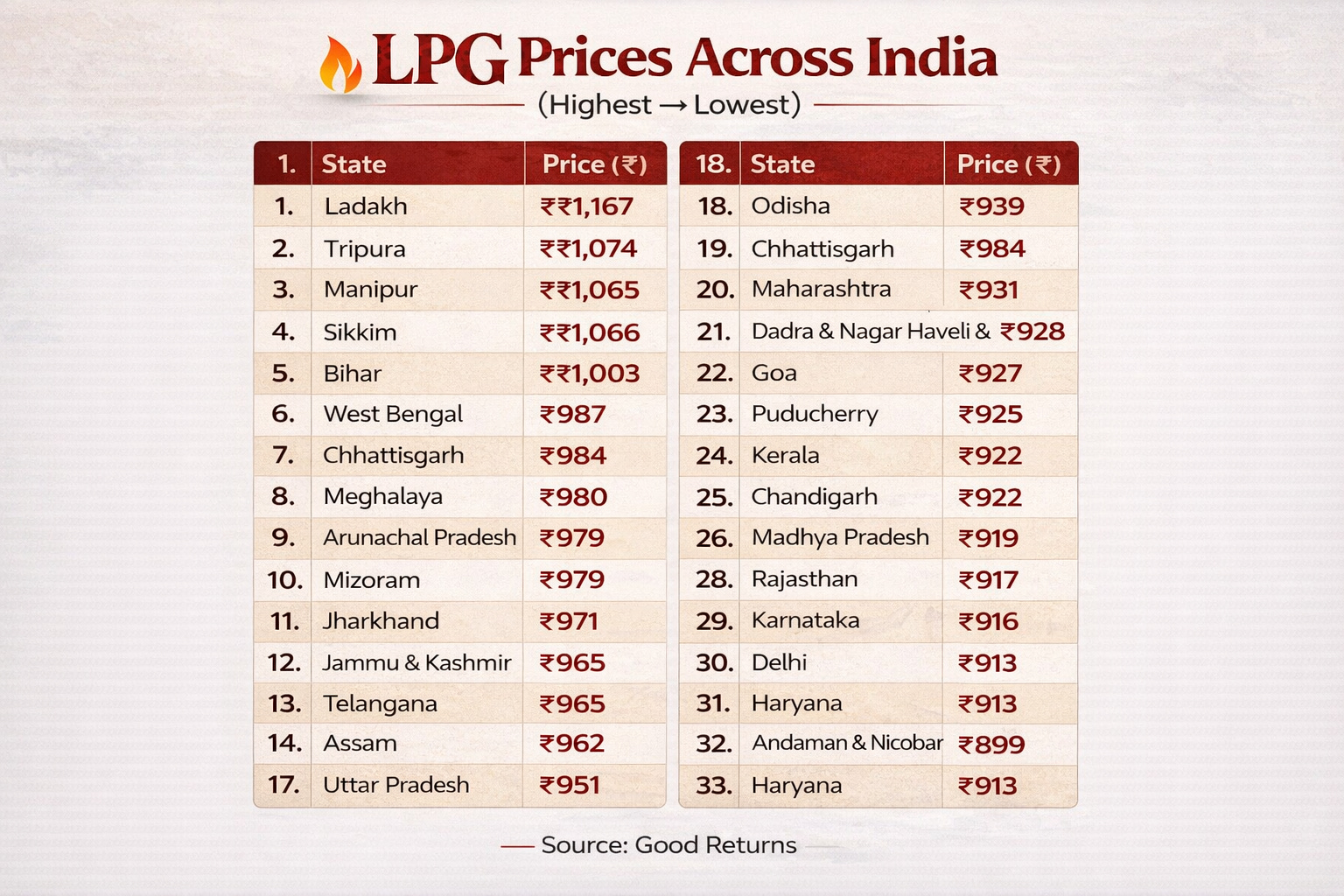
One of the most visible consequences of the crisis has been the rise in LPG cylinder prices. As global energy prices rise and import costs increase, domestic LPG prices tend to follow.
Higher freight costs, limited supply, and rising crude oil prices collectively contribute to increased LPG prices in India. In some areas, reports have indicated sharp price spikes in the open market and instances of black marketing, highlighting the pressure on supply systems. For millions of households that rely on LPG for daily cooking, even small price increases can have significant financial implications. LPG expenses represent a critical component of household energy costs, especially for middle-income and lower-income families.
Moreover, rising LPG prices can contribute to broader inflationary pressures. When fuel costs rise, they often push up transportation and production costs, indirectly affecting the prices of goods and services across the economy.
The crisis therefore illustrates how global geopolitical developments can quickly translate into everyday economic challenges for households
Government Response: Managing Supply and Preventing Panic
Recognizing the potential risks posed by the crisis, the Indian government has taken several steps to stabilize LPG supply and prevent panic among consumers.
Authorities have urged citizens to avoid panic booking of cylinders and reassured the public that the situation remains under control. The government has also encouraged households with access to piped natural gas to switch temporarily from LPG cylinders where possible.
To address supply concerns, domestic refineries have increased LPG production. Government sources indicate that LPG output has already risen by around 10% since the conflict began, helping offset some of the disruptions in imports.
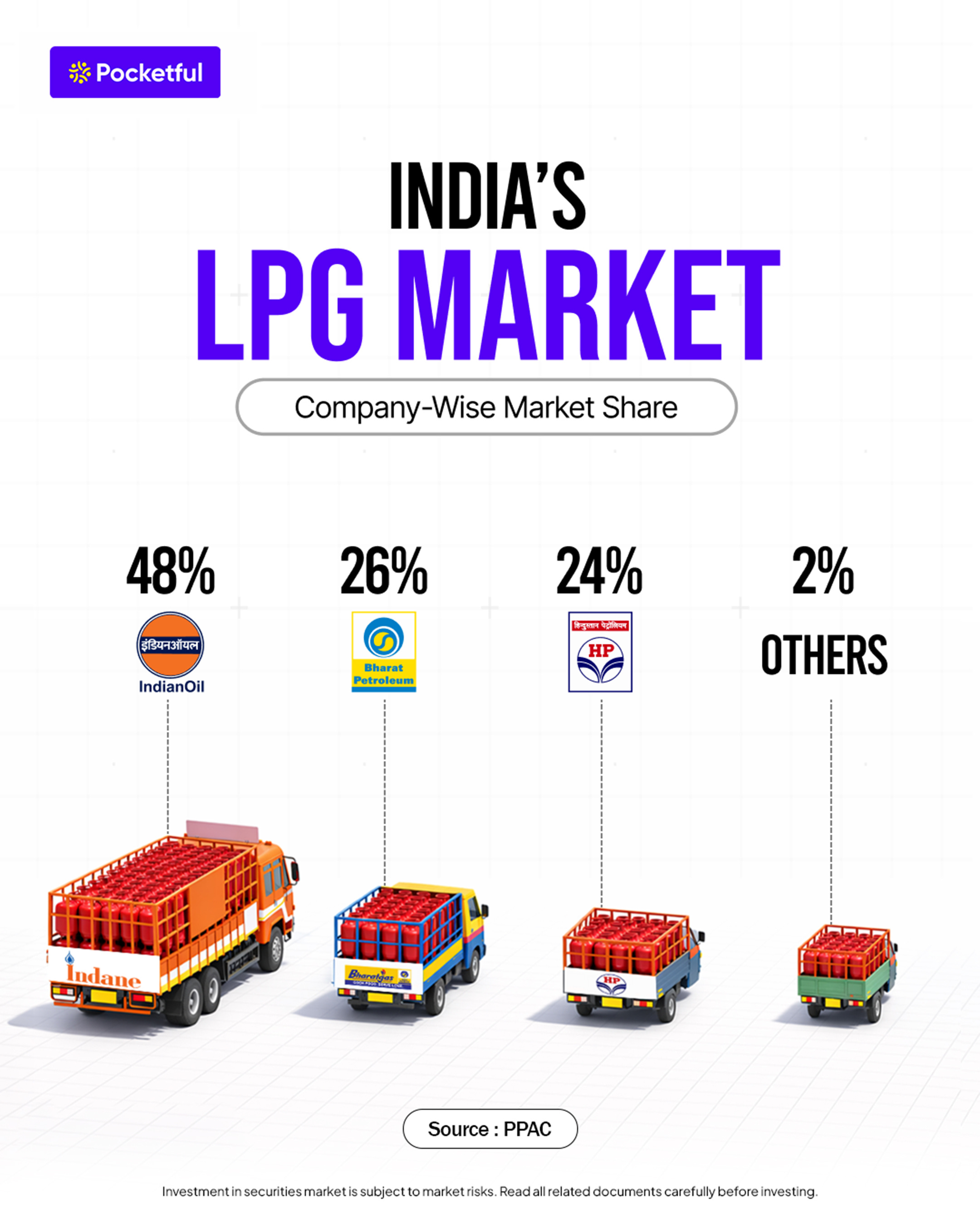
In addition, the government has taken administrative steps to curb hoarding and black marketing of LPG cylinders. Oil marketing companies are closely monitoring distribution networks, and enforcement measures have been strengthened to ensure fair supply.
Ports have also been instructed to prioritize LPG tanker berthing to speed up unloading and distribution. These steps are designed to maintain stability in the supply chain while global conditions remain uncertain.
Industrial and Economic Consequences
While the immediate focus is on household LPG availability, the crisis has broader implications for India’s economy and industrial sector.
Many industries rely on LPG, propane, and natural gas as key fuel inputs. When supply becomes constrained or prices rise sharply, industrial production costs increase. Some companies have already reported operational disruptions due to limited fuel availability.
Higher energy costs can also weaken corporate profitability and impact sectors such as manufacturing, hospitality, and food processing. Small and medium enterprises, which often operate on thin margins, are particularly vulnerable to sudden energy price shocks.
Furthermore, prolonged energy disruptions could affect India’s trade balance. Rising crude and gas import bills can increase the country’s current account deficit, placing pressure on the currency and financial markets.
These economic ripple effects demonstrate how energy security is closely linked to national economic stability.
Long-Term Lessons: Energy Security and Diversification
The current crisis underscores the importance of strengthening India’s long-term energy security strategy. Heavy dependence on imported energy exposes the country to global geopolitical risks that are largely beyond its control.
To reduce vulnerability, India may need to diversify its energy supply sources and expand domestic production capacity. Increasing investments in renewable energy, alternative fuels, and domestic gas infrastructure could help reduce reliance on volatile international markets.
Another potential solution is the expansion of piped natural gas networks, which could reduce pressure on LPG distribution systems. Encouraging households to adopt alternative cooking technologies such as electric induction cooking may also help diversify energy consumption patterns.
Additionally, building strategic energy reserves and strengthening supply chain resilience can help buffer the economy against sudden geopolitical shocks.
The current crisis serves as a reminder that energy security is not only an economic issue but also a strategic priority for national stability.
Conclusion: A Global Crisis Felt in Every Indian Kitchen
The rise in LPG prices in India illustrates how interconnected the modern global economy has become. A geopolitical conflict thousands of kilometers away can rapidly affect fuel prices, household budgets, and industrial production in India.
The Iran–Israel conflict has disrupted global energy markets, driven up oil and gas prices, and exposed vulnerabilities in international supply chains. For India, which depends heavily on imported LPG, these disruptions have translated into price increases and supply concerns for millions of consumers.
While the government has taken proactive steps to stabilize the situation through increased production and supply management, the crisis highlights the importance of long-term energy security planning.
Ultimately, the current situation demonstrates that global conflicts are not confined to battlefields. Their consequences extend far beyond borders, shaping economic realities and influencing the daily lives of ordinary people.
For India, ensuring reliable and affordable access to cooking fuel will remain a critical challenge in an increasingly uncertain geopolitical environment.
Lingo Corner: Supply Chain Disruption
A supply chain disruption occurs when the normal flow of goods, materials, or services is interrupted due to events such as geopolitical conflicts, natural disasters, transportation issues, or production shortages, leading to delays, higher costs, reduced availability of essential products, and increased uncertainty for businesses and consumers.
Pocketful isn’t just another trading platform - we’re your partners on the journey to financial freedom.
Thank you for reading!
👀 Stay tuned. Stay diversified.
Until next time,
Team Pocketful.
Follow Us: Website
Download Our App: Available on Google Play & Apple App Store